

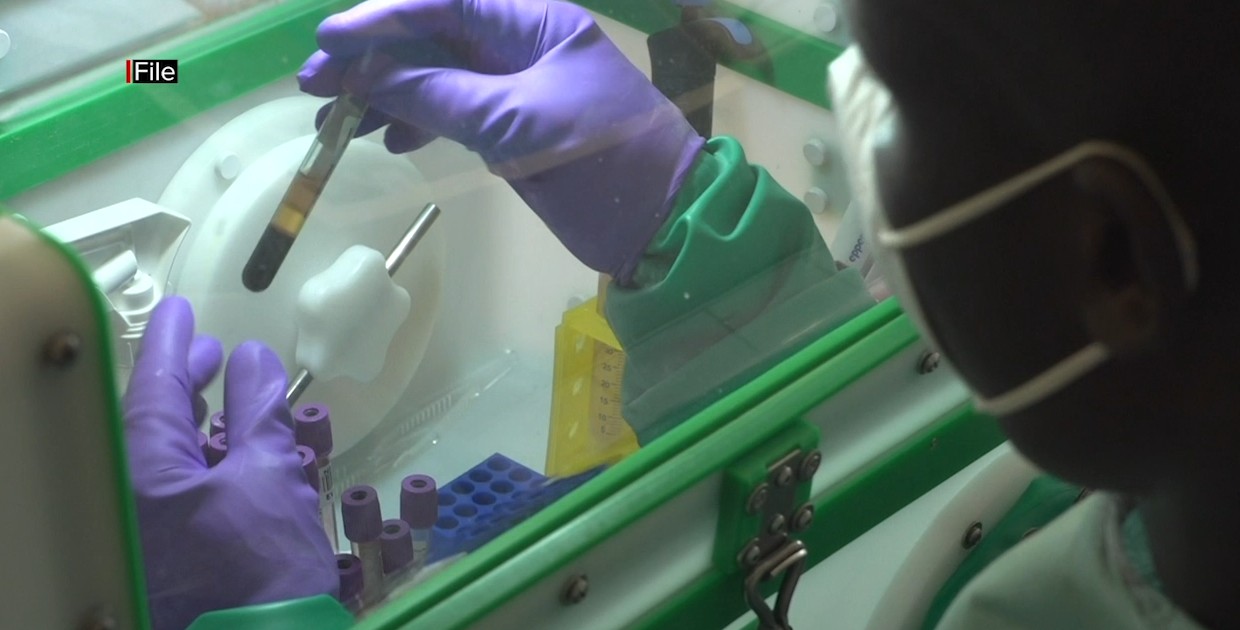
A rare strain of Ebola virus known as Bundibugyo is driving a fast-moving outbreak in the Democratic Republic of Congo (DRC) and Uganda, with more than 130 deaths reported and international health agencies closely monitoring the situation due to its severity and lack of a licensed vaccine.
The outbreak has now resulted in hundreds of suspected infections and has drawn global attention after an American healthcare worker treating patients in eastern DRC tested positive for the virus and was transferred to Germany for specialized care.
Bundibugyo Ebola virus is one of four known Orthoebolaviruses that cause Ebola disease in humans. It was first identified in Uganda in 2007 in Bundibugyo District, which gave the virus its name. While less widely known than the Zaire strain, it is still highly dangerous due to its ability to cause severe illness and spread rapidly.
One of the major concerns is that there is currently no licensed vaccine specifically for the Bundibugyo strain. Treatment therefore relies mainly on supportive care, including rehydration, symptom management, and intensive medical monitoring.
Historically, Bundibugyo Ebola outbreaks have recorded fatality rates between 25% and 50%, depending on the speed of detection and quality of healthcare response.
Patients in the current outbreak have presented with symptoms including fever, severe weakness, headaches, vomiting, abdominal pain, nosebleeds, and vomiting blood. Health officials report that most infections are among adults aged 20 to 39, with women making up nearly two-thirds of confirmed cases.
The outbreak began in early May in Bunia Health Zone in northeastern DRC, where healthcare workers started developing severe unexplained illnesses. Initial tests failed to confirm Ebola, but by May 15, genetic sequencing confirmed Bundibugyo virus in multiple samples.
As of the latest reports, authorities have recorded 34 confirmed cases, 105 probable cases, 536 suspected cases, and 134 deaths. Uganda has confirmed two imported cases linked to travel from the DRC, including one death, though officials say there is no evidence of widespread community transmission within the country.
The CDC and international partners are supporting response efforts while closely tracking the outbreak to prevent further cross-border spread. The situation has been further heightened by the transfer of the infected American healthcare worker to Germany, underscoring global concern over containment.
The Democratic Republic of Congo has now experienced 17 Ebola outbreaks since 1976, with its most recent outbreak ending in December 2025, highlighting the persistent threat of recurring viral epidemics in the region.
